

high probability set up trading strategy
Next-to-last Updated on
Do you want to find high probability trading setups?
I'm surely you do, decently? (Surgery you won't be reading this right hand now)
But the thing is…
…you're not sure how.
Or else ofdannbsp;looking for atdannbsp;price, you'atomic number 75dannbsp;looking at indicators (without understanding the purpose of it).
Instead of shadowingdannbsp;trends, you'Radannbsp;trying to predict marketdannbsp;reversals.
Instead of fitting lay on the line direction, youdannbsp;put connected a huge bet because this trade "feels practiced".
Now…
If you're doing any of the supra, and so information technology will be difficult to nam high chance trading setups.
Merely don't worry.
I've got good news program for you.
Because in that post, I'll teach you piecemeal on how to find oneself high probability trading setups.
Here's what you'll learn:
- Why trading with the trend growth your returns and reduce your put on the line
- How to identify the best areas to barter along your graph
- How to trade pullback, breakouts, and the failure test pattern
- How to circle a proper trading stop loss so you don't get stopped out "too early"
- A high probability trading strategy that lets you profit in bull danamp; bear markets
Are you ripe?
Past let's begin…
Secret Bonus:
The trenddannbsp;gives you the biggest bang for your buck
Thedannbsp;definition of the trend is this…
Uptrend – consistsdannbsp;of higher highs and lows
Downtrend – consistsdannbsp;of lower highs and lows
If you want to know where's the path of to the lowest degree resistance, look left (and follow the trend).
When the price is in an uptrend, you should stay long. When the price is in a downtrend, you should continue stumpy.
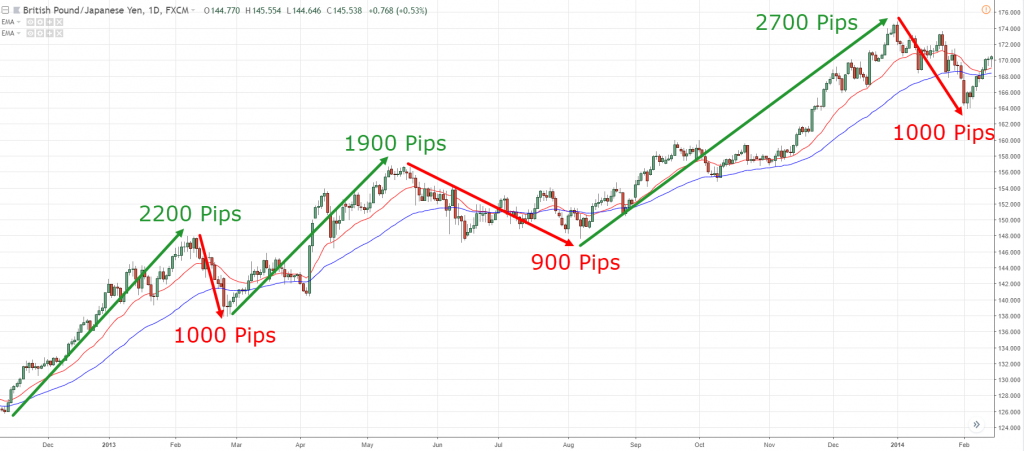
Bydannbsp;trading withdannbsp;the trend, you can get a line that the impulsedannbsp;move (green) goes much more in your party favour, compared to the corrective movedannbsp;(red).
Heredannbsp;aredannbsp;a couple of examples…

Now you're likely inquisitive:
Rayner, identifying a trend looks easy. But how do I enter an existing course?
And this is what we're screening next…
Trade in the counsel of the all-purpose market. If IT's rising you should be lifelong, if it's falling you should personify short. – Jesse Livermore
How to identifydannbsp;areas of value on yourdannbsp;graph
You'd credibly detected of the saying, "buy debased sell high".
But the enquiry nobody asks is…
…what's Sir David Alexander Cecil Low and what's steep, redress?
This is where Support danamp; Resistance comes into the motion picture.
Support danamp; Resistance
And this is the definition of it:
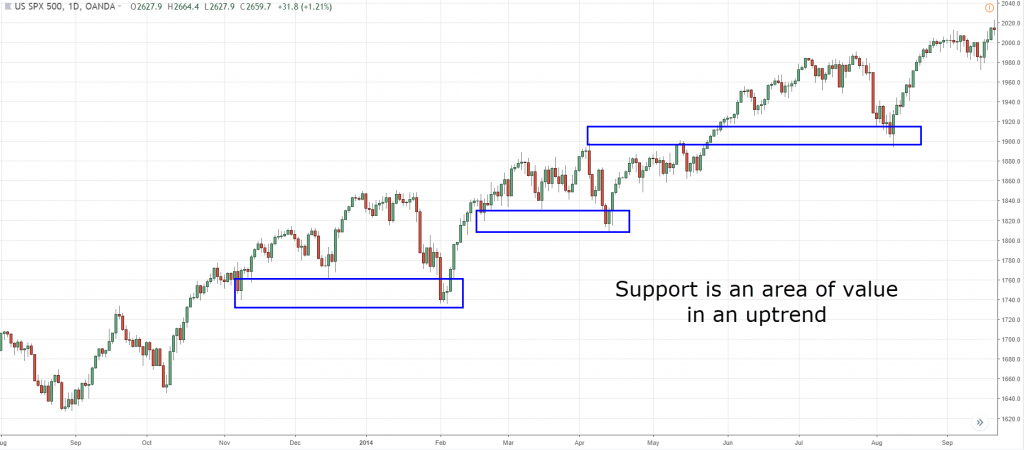
Hold up – an area withdannbsp;potential buying hale to push price higher (area of value in an uptrend)
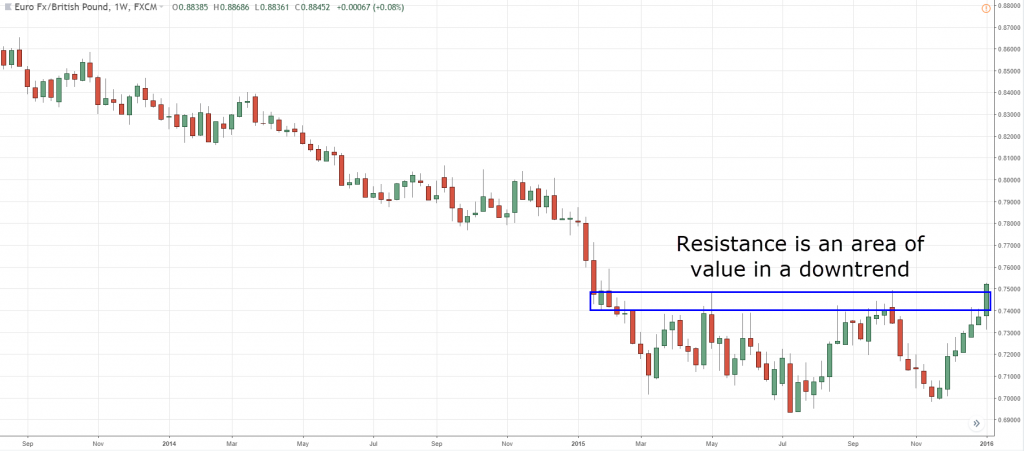
Ohmic resistanc – an expanse with potential selling pressure to push price lower (region of value in a downtrend)
Here's what I mean…
Can-do Support danamp; Resistance
What you've seen to begin with is what I call, classical Support danamp; Resistance (horizontal lines)
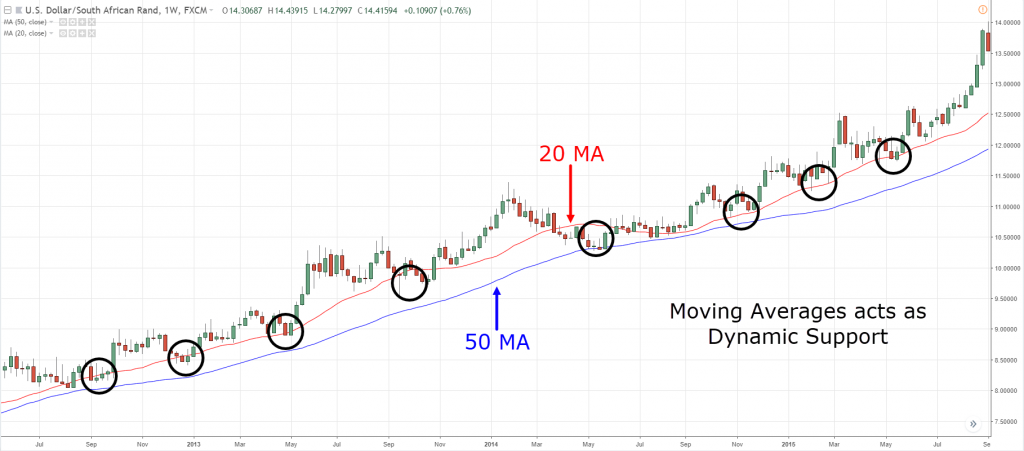
Alternatively, it can get along in the conformation of moving average.dannbsp;This is known asdannbsp;dynamic Support danamp; Resistor (and I utilization the 20 danadenylic acid; 50 EMA).
This is what I average…
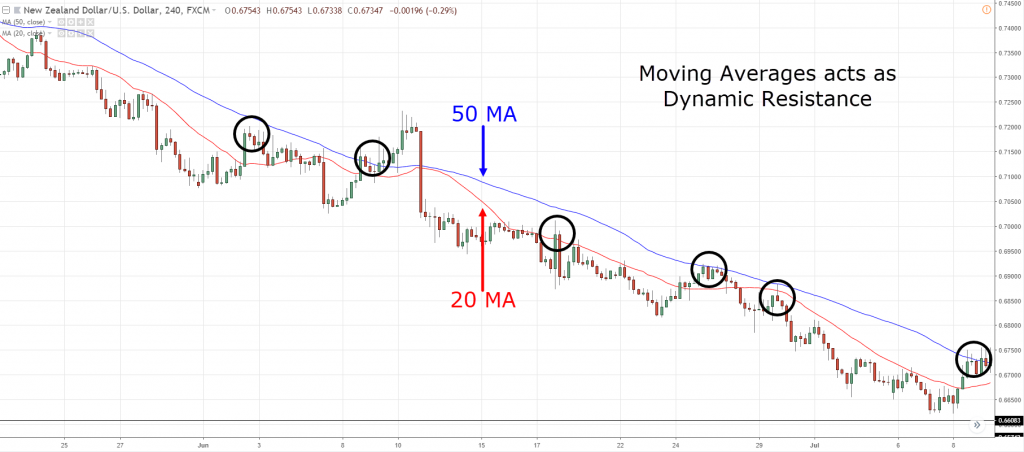
Not only does support danampere; resistor allows you to trade from an area of value, but it also improves your risk to reward and winning range as symptomless.
Look on this training video recording under and learn how:
Now, another "trick" you can use is to use overbought/oversolddannbsp;indicators.
Tall probability trading — using Stochastic to identify areas of value
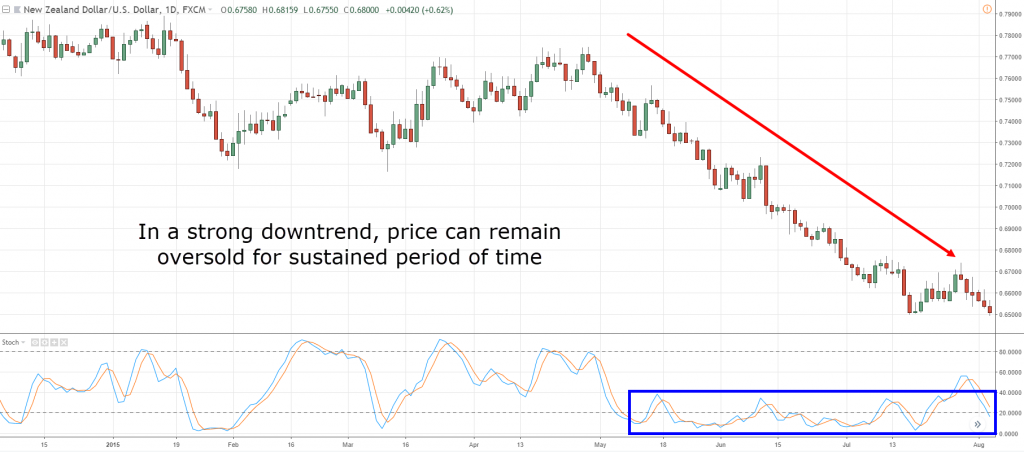
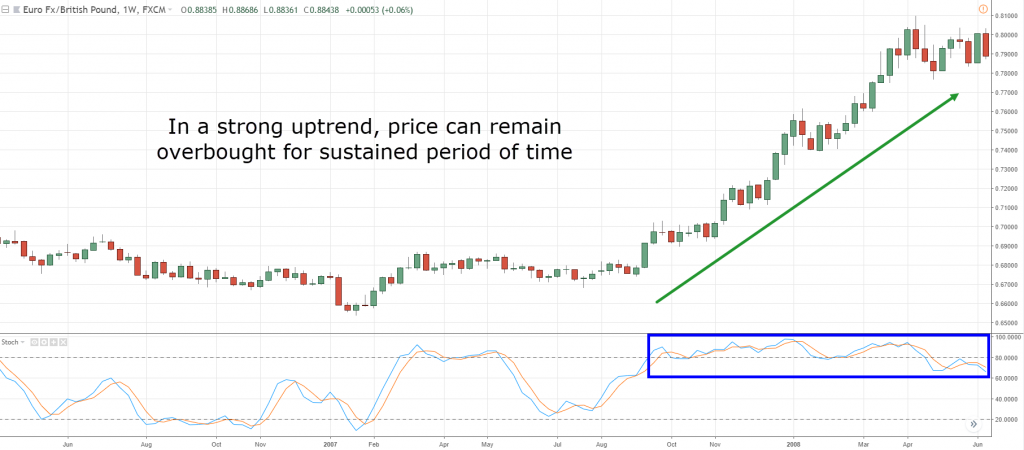
A big mistake mostdannbsp;traders make is, going short just because the damage is overbought, or oversold.
Because in a strong trending commercialize, the market can Be overbought/oversold for a sustained time period (and if you're trading without Michigan, you risk losing your entiredannbsp;account).
Here's what I hateful:
At once you'atomic number 75 speculative:
How suffice Idannbsp;usage Random to identify areas of measure?
Here's the secret…
Are you ready?
In an uptrend, you only attend for longs,dannbsp;when the price is oversold.
In a downtrend, you only seek trunks,dannbsp;when the price is overbought.
Here'ray some examples:
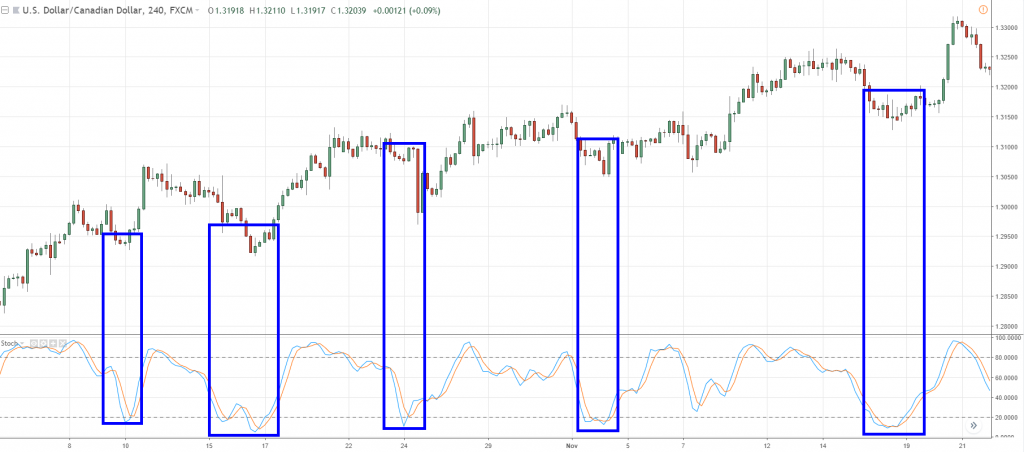
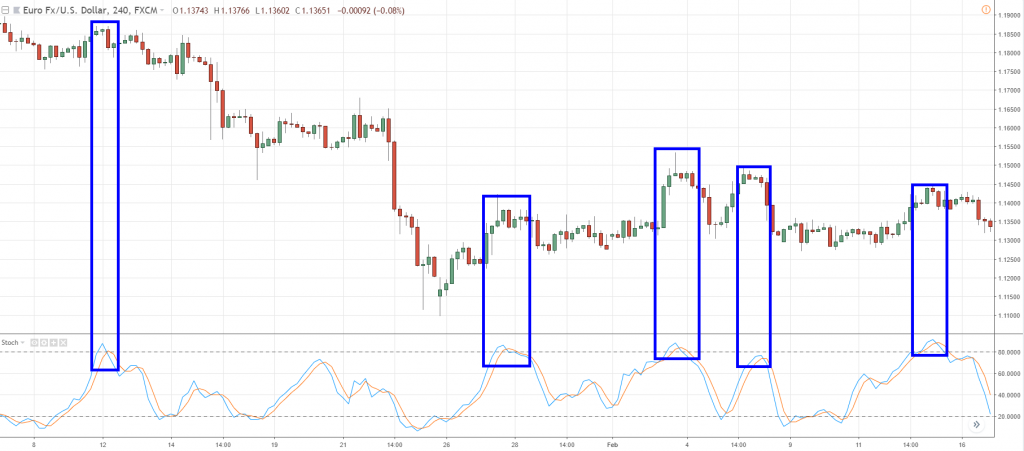
If you follow this easy rule, you can "predict"dannbsp;when a pullback will usually end.
And so, you've learned how to identify areas of value along your chart.
Now…
…you'll learn how to better time your entries.
How todannbsp;enter your trades
There'atomic number 75 3 ways you can enter a trade:
- Pullback
- Breakout
- Failure test
Pullback
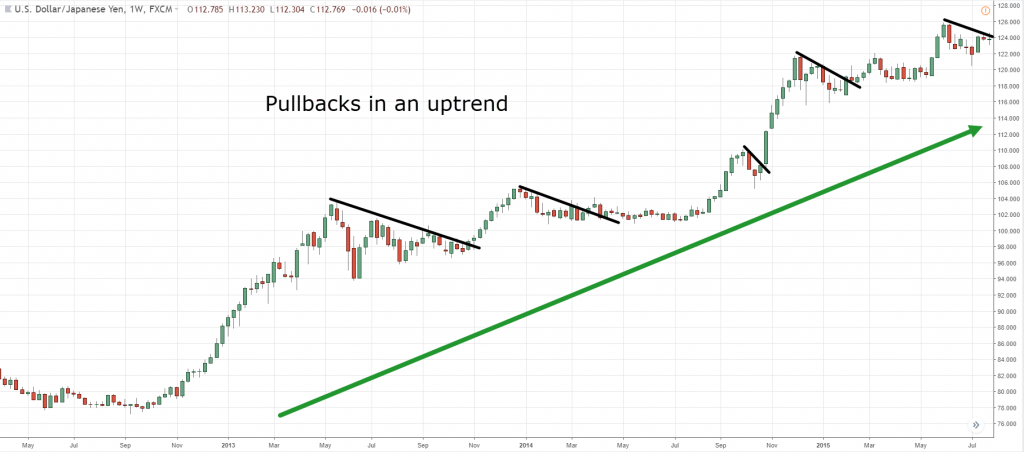
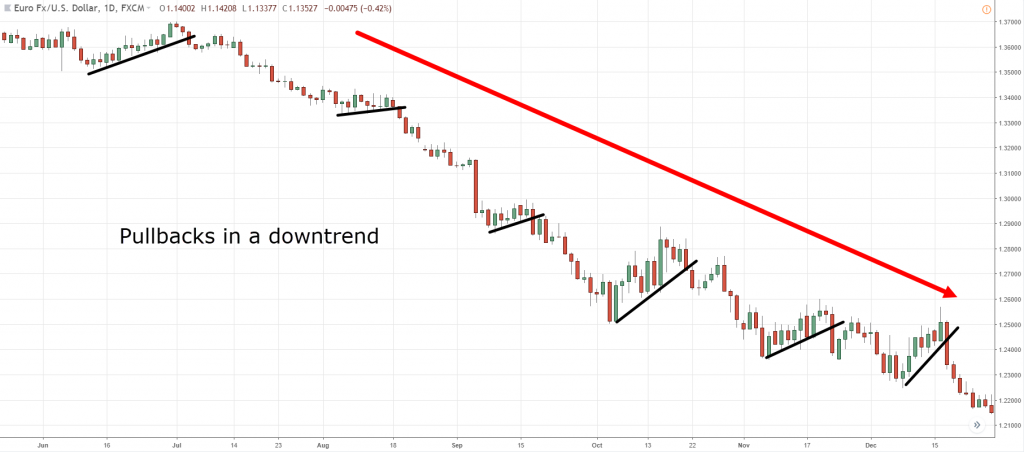
A tieback is when monetary value temporarily movesdannbsp;against the underlying trend.
In an uptrend, adannbsp;pullback would be a motion a lower.
Here's an example:
And…
In a downtrend, a pullback would be a move higher.
An lesson:
Accordant todannbsp;the work's of Adam Grimes, trading pullbacks has a statistical edge in the markets as proven here.
You Crataegus oxycantha wonder:
What are the pros and cons of trading pullbacks?
Advantages of trading pullbacks:
- You get a groovy trade location as you're buying into an area of appreciate. This gives you a betterdannbsp;peril to honor visibility.
Disadvantages of trading pullbacks:
- You may potentially overlook adannbsp;move if the toll doesn't occur into your identified area.
- You'll be trading against the subjacent momentum.
Breakout
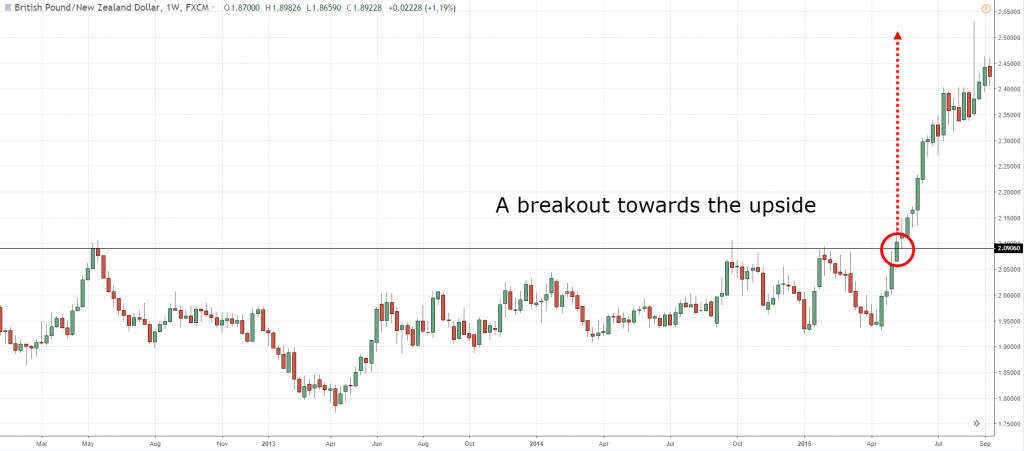
A jailbreak is when price moves outside of a defined boundary.
The boundary can be defined using classical support danadenosine monophosphate; resistance.
Breakout to the top side:
Breakout to the downside:
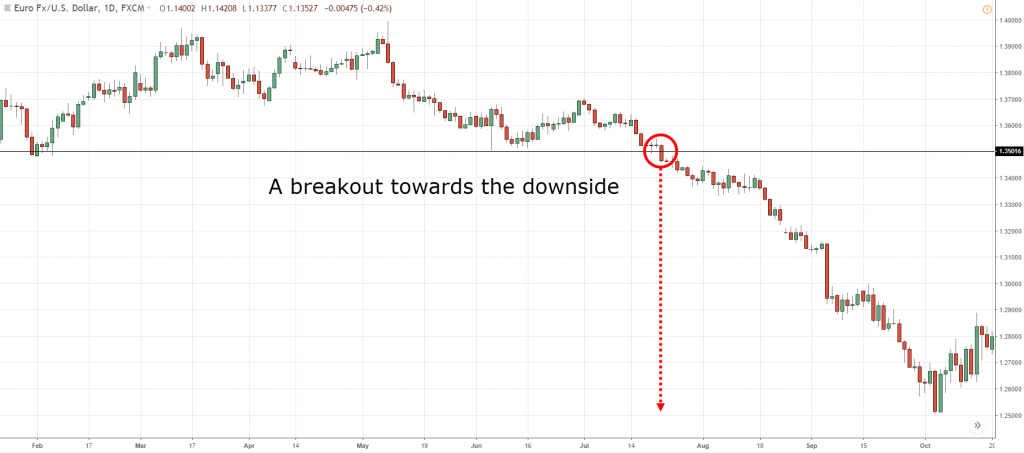
You're wondering:
What are the pros and cons of trading breakouts?
Advantages of trading breakouts:
- You will always capture the move.
- You are trading with the underlying momentum.
Disadvantages of trading breakouts:
- You get a poor trade in location as you're paying a premium.
- You may encounter much of false breakouts.
For a more in-depth explanation, go read The Standard Guide to Trading Pullbacks and Breakouts.
Loser test
This technique possibly originated fromdannbsp;Victor Sperandeo, and the works ofdannbsp;Adam Grimesdannbsp;shows that it has a statistical edge in the markets.
It works like this…
You're ingress your trade when the terms does a invalid breakout of Stomach/Resistance. Thus taking advantage of traders who are trapped from trading the breakout.
This entry can embody applied in a trending or range market.
Here'raydannbsp;a couple of examples…
Failure test at (BCO/USD):
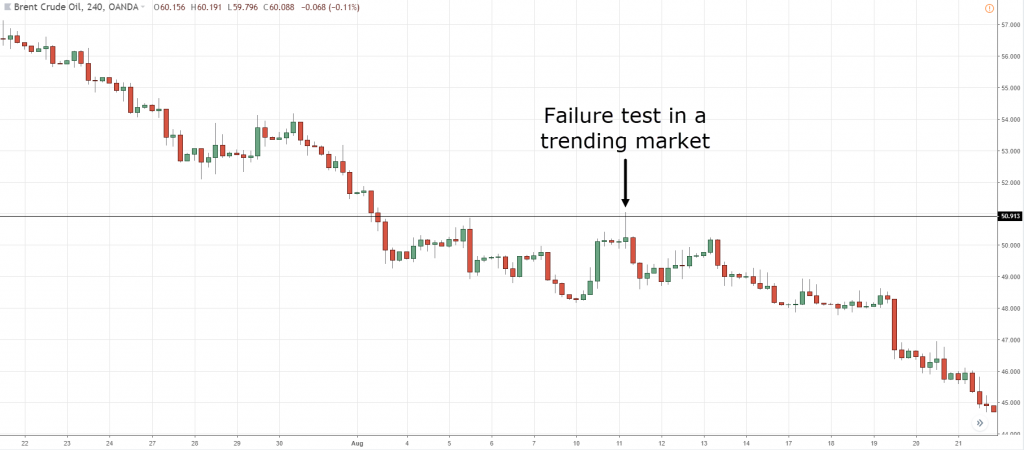
Failure quiz at (USD/SGD):

Failure test at (EUR/USD):
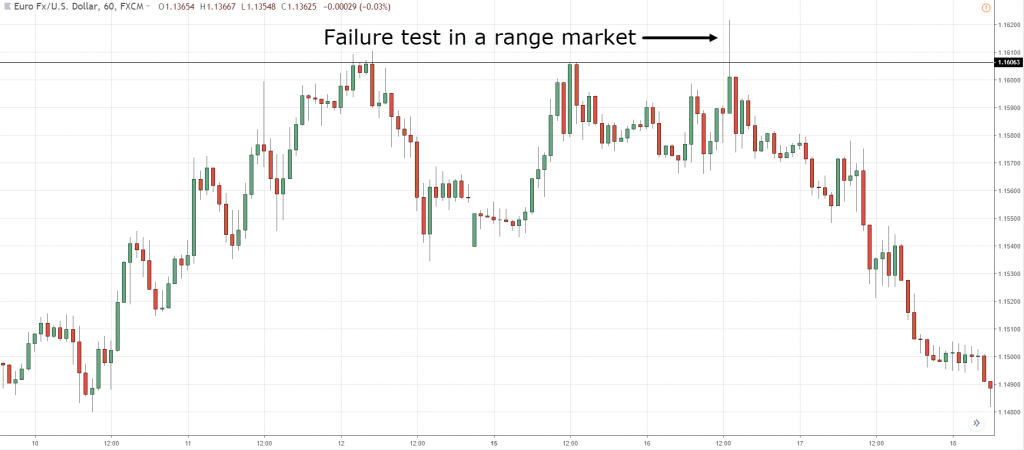
For promotedannbsp;explanation, ascertaindannbsp;thisdannbsp;training video below:
Now, the next thing you're going to learn is…
How to fixed your kibosh loss
Place your Newmarket at a point that, if reached, will reasonably indicate that the trade is wrong, not at a direct discovered by the maximum dollar amount you are willing to misplace. – Robert I Kovner
I'm going to share with you 3 ways to make out:
- Volatility stoppag
- Social organisation stop
Volatility hitch
A volatility stop takes into account thedannbsp;volatility of the market.
An indicator that measure volatility is the Average True Range (ATR), which can help set your stop loss.
You need to identify the current ATR value and multiply it by a factor of your choice. 2ATR, 3ATR, 4ATR etc.
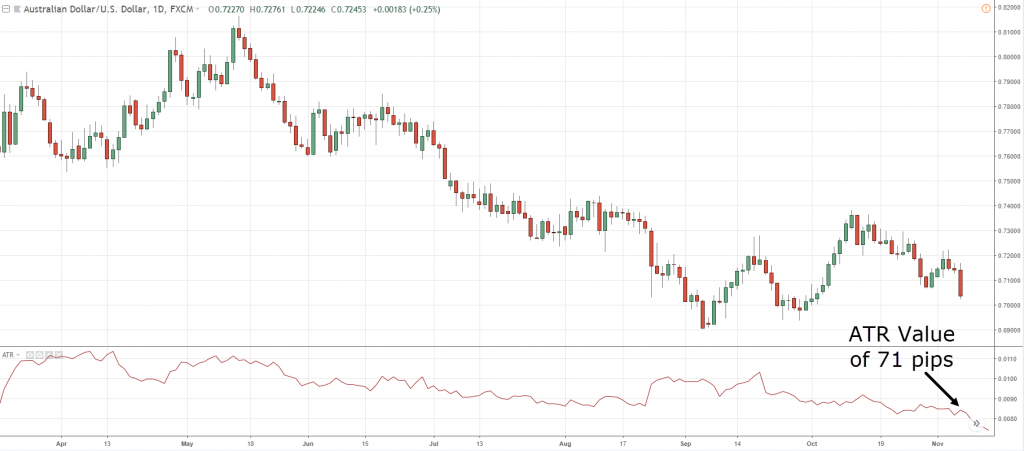
In the deterrent example preceding, the ATR is 71 pips.
So if you were to place a stop loss ofdannbsp;2ATR, take 2*71 = 142 pips
Your lay of loss is 142 pips from your entry.
Pros:
- Your stop loss is based connected the excitableness of the market
- An objective way to define how much "buffer" you call for from your entry
Cons:
- It's a lagging indicator because itdannbsp;is supported late prices
Social organisation stop
A structure stop takes into account the body structure of the market and set your stop loss consequently.
An example…
Support is an area where price may potentially trade higher from.dannbsp;In other words, information technology's a "barrier" that prevents further price decline.
Thusly, it makes sense to have your stop loss below Support. Vice versa for Underground.
Present'sdannbsp;what I mean:
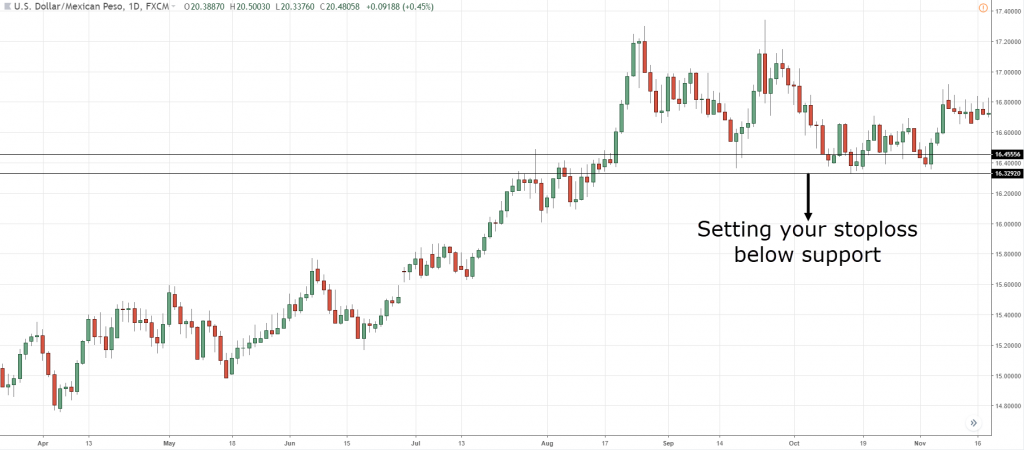
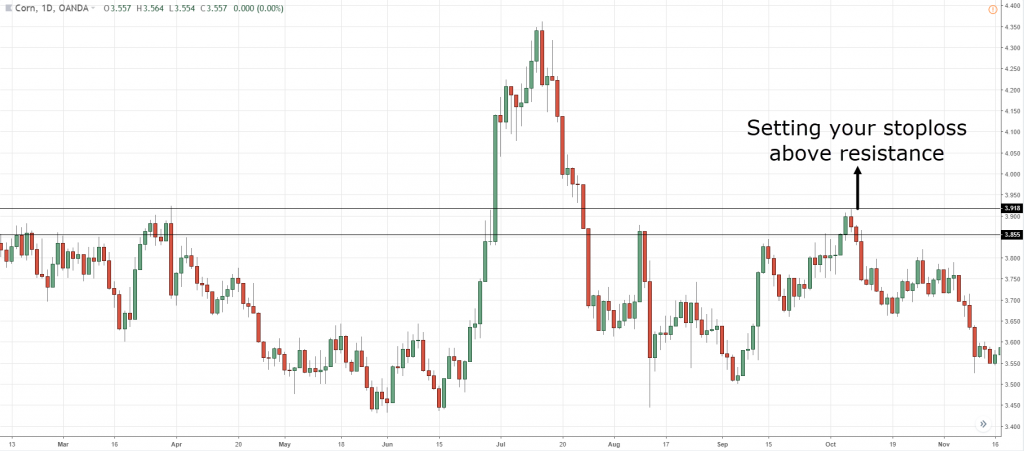
You wantdannbsp;to place your period loss where there is a social system in the market that can play a "barrier" for you.
Below is a training TV that explains this concept in more detail…
Pros:
- You know on the nose when you'Re wrong because the market structure has broken
- You're using "barriers" in the market to prevent the monetary value from hitting your stops
Cons:
- You need widerdannbsp;halt loss if the structure of the market is large (this results in a smaller position size up to keep your risk stable)
If you want to memorize more, go bad read 13 ways to set your stop personnel casualty to reduce lay on the line and maximise profits.
Today, Lashkar-e-Taiba's motion on…
Whatdannbsp;is confluence you betdannbsp;it impacts your trading
Here's the matter:
You'rhenium not going to recorddannbsp;a long trade justdannbsp;because Stochastic is oversold, surgery the marketdannbsp;is in an uptrend.
You'd pauperization additive "supporting grounds" to give back you the signal, to enter the trade.dannbsp;And this "supporting evidence" is known As, confluence.
Confluence is when twodannbsp;or more factorsdannbsp;gift the same trading signal.dannbsp;E.g.dannbsp;The grocery is in an uptrend, and price retraces to an orbit of support.
Present're two guidelines for you:
1. Non moredannbsp;than four meeting factors
The more meeting you have, the higherdannbsp;the probability of your business deal operative out. Just…
In the real life, your trading strategy should cause anywhere between 2 – 4 merging factors.
Anythingdannbsp;more, chances aredannbsp;you're going to get very little trading setups. And it'll take you foreverdannbsp;before your edge candannbsp;play out.
You can take mediocre trading setups, and still piss money in the long haul.
2. Do non have Sir Thomas More than one confluence cistron indannbsp;the same category
If you're leaving to use indicators (oscillators) to discover overbought/oversold areas, past exercise thatdannbsp;only.
Don't add Random, RSI and CCI because it'll leave you with analysis paralysis.dannbsp;Similarly…
…adding simple, exponential and weighted swirling average on your charts, doesn't brand any sense.
If you're still reading at the point, you're in for a treat. Because here comes the exciting part…
Adannbsp;high probability trading strategy that lets you profit in bull danampere; digest markets
And Hera's my secret (which is what you've just learned)…
- Trade with the trend
- Trade atdannbsp;areas of note value
- Find an entry
- Set my stop loss
- Plan mydannbsp;go out
If adannbsp;trade meets these 5 criteria, then its a good trade indannbsp;to me.
Straight off,dannbsp;let's learn a new tradingdannbsp;scheme, that gives youdannbsp;high chance trading setups.
Are you ready?
Here it goes…
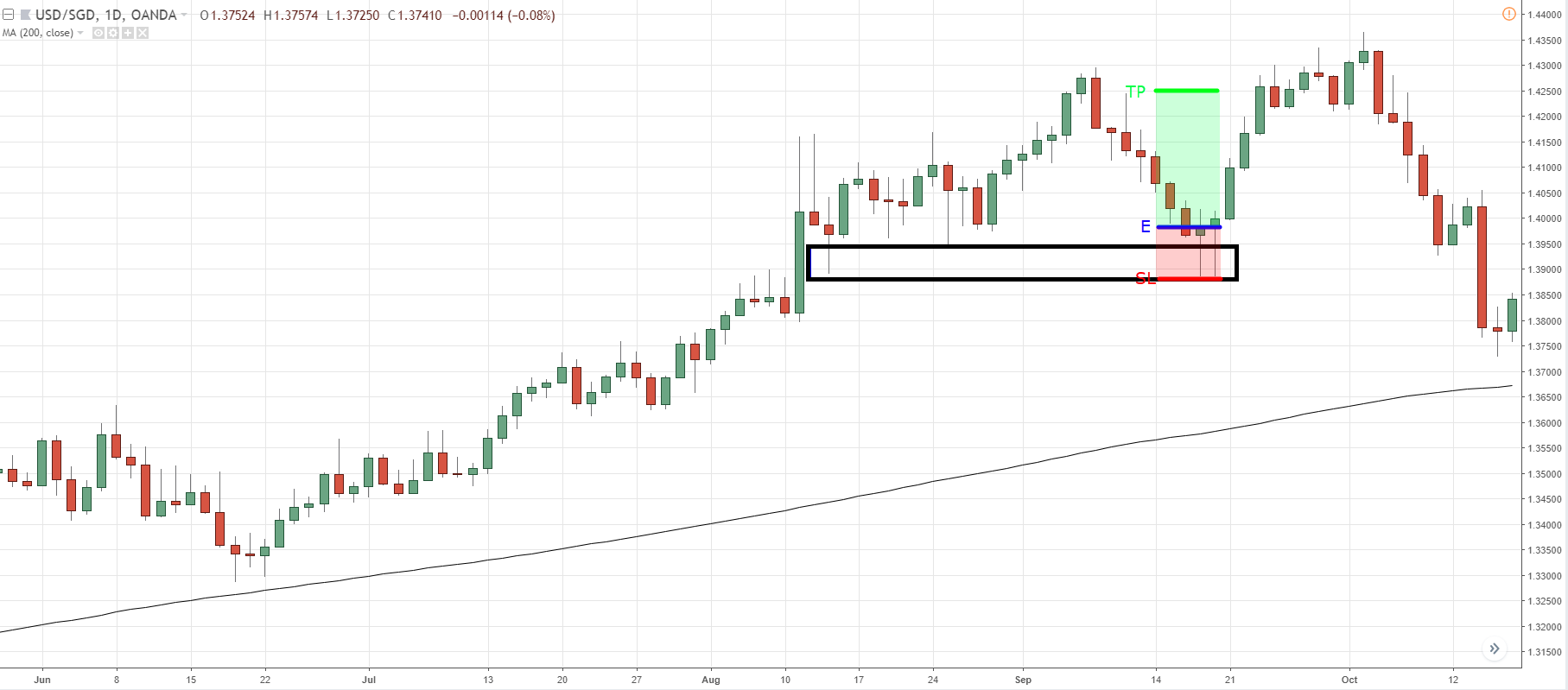
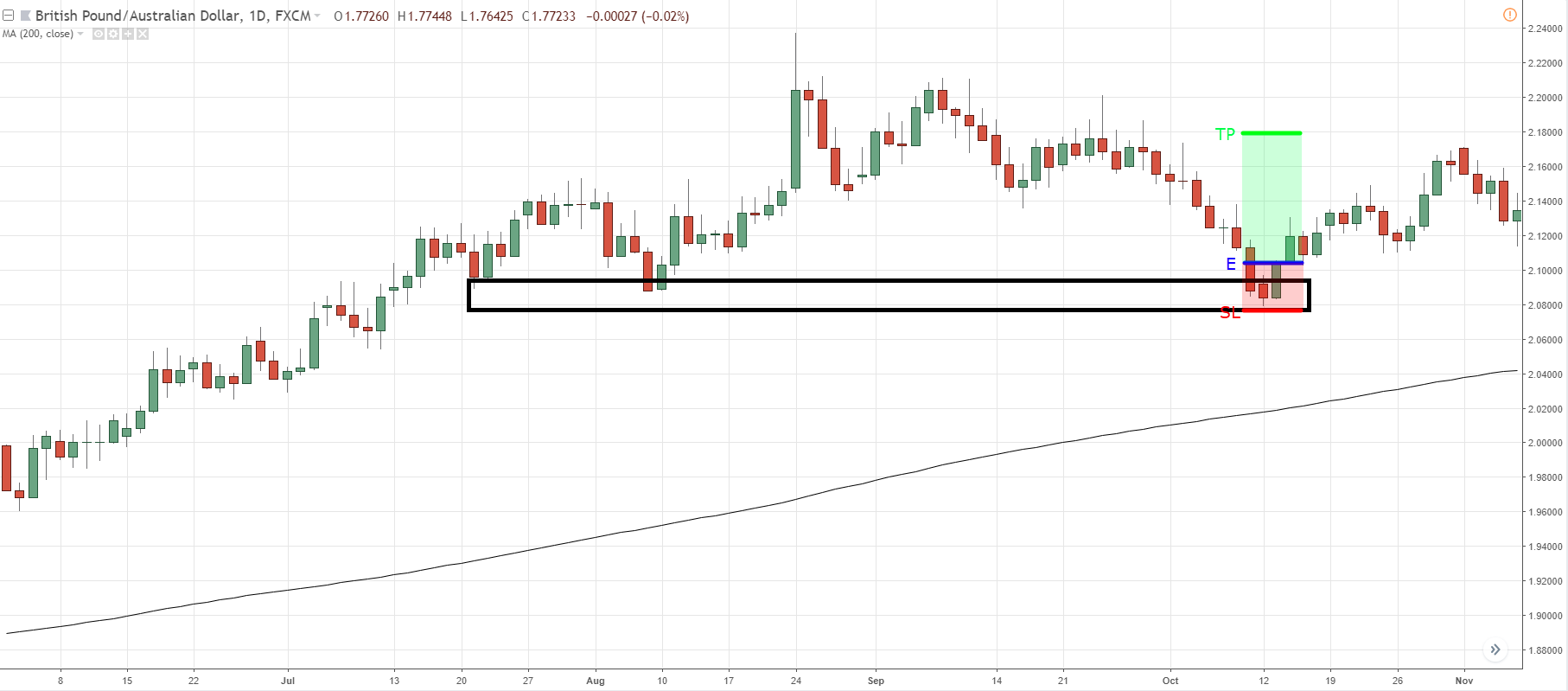
If 200ma is pointing high and the price is above it, then IT's an uptrend (trading with the trend).
If it's an uptrend, then delay for the price to pullback to an area of support (trading at an area of value).
If Leontyne Price pullback to an domain of support, then expect for failure test entry (my ingress trigger).
If there's nonstarter test entry, then go long happening next candle's public (my entry trigger).
If a trade is entered, then put over a stop loss below the low of the candle, and remove earnings at closest swing high (my exit and profit place).
Contrariwise for a downtrend
**Disavowal:dannbsp;I will non be responsible any net or loss resulting from using thisdannbsp;trading strategy. Past execution is non an indication of tense carrying out. Please do your own due diligence before risking your hard earned money.
Here'rhenium a couple of trading examples…
High probability setup at (USD/SGD):
High probability apparatus at (GBP/AUD):
Secret Bonus:
Here's the thing:
You may not live well-off exploitationdannbsp;my trading strategy because it may not suit you.
So, what you need to dodannbsp;is, "tweak" information technology into something that fits you. And this is what we'll cover incoming…
I don't think traders can follow rules for very long unless they mull their personal trading style. – Ed Seykota
How to break throughdannbsp;adannbsp;high probability trading strategydannbsp;(a template you tin utilize)
You can "mix and match" different trading techniques I've shared with you earlier.
Simply ultimately, your trading scheme needs to answer these 7 questions:
1. How are you going to define a trend?
You fundament studydannbsp;moving average, trendline, structure etc.
2. How are you going to define andannbsp;area of value?
You can considerdannbsp;dynamic Tolerate danamp;dannbsp;Resistance, every week highs/lows, Stochasticdannbsp;etc.
3. How are you going to enter your trade?
You can considerdannbsp;pullbacks, breakouts, failure test, mobile average crossover etc.
4. How are you going to exit your trade?
There're many ways to exit adannbsp;trade.dannbsp;Go learndannbsp;13 Ways to Set Your Stop Loss to Reduce Risk and Maximize Netdannbsp;to learn more.
5. How much are you sledding to risk on each trade?
I would hint risking no than 1% of your report on each trade in, to avoid the hazard of ruin.
6. How are you going to superintend your switch?
Volition youdannbsp;ordered series out or scale in your trades? If so, how much?
7. Which markets will you be trading?
Are you focusing on indefinite market or manydannbsp;markets?
If you trade in a variety of markets, you want to make up aware of the correlation between markets.
Frequently asked questions
#1: Will I embody able to apply these techniques on the lower timeframes?
Yes, the concepts can be applied to the lower timeframes as these "patterns" will also be panoptical on the let down timeframes. Also, you'll incur more trading opportunities on the lower timeframes as the market tends to move "faster".
However, mind if you trade along the lower timeframe, you'll incur more transaction costs and IT will be more stressful compared to trading on the higher timeframe.
Now if you wanna discover some of my intraday trading secrets, and then check this unfashionable: Intraday Trading Techniques That Work
#2: When the charts are beingness molded, how DO I know if the pullbacks are temporary or if the veer is about to change?
You'll never know if the market is sledding to shuffle a tieback operating theatre a trend reversal whol. However, the range of the candles along the pullback will give you a clue.
Usually, along a pullback, the range of the candles are relatively small. Whereas, on a trend reversal, the pullback candles tend to represent large.
If you wish to discover my trend blow trading strategy (that actually works), and then click along this: The Trend Reversal Trading Strategy Guide
#3: I'm befogged about mise en scene up my profit place, could you please enlighten Pine Tree State?
You can name to swing over highs/lows and support/resistance as your practical profit fair game areas. If you desire to tantalise huge trends then you've got to adopt a trend following approach where you'll have no turn a profit targets but instead trail your stop deprivation.
So, what's next?
You'vedannbsp;justdannbsp;erudite how to distinguish high probability trading setups, you bet to develop your possess high-top probability trading strategy.
When you tradedannbsp;it with risk management, discipline, and consistency,dannbsp;you'll greatly step-up the odds of comme il faut a consistently bankable bargainer.
Here's what I want you to do right like a sho…
high probability set up trading strategy
Source: https://www.tradingwithrayner.com/high-probability-trading/
Posted by: molinasommom.blogspot.com
0 Response to "high probability set up trading strategy"
Post a Comment